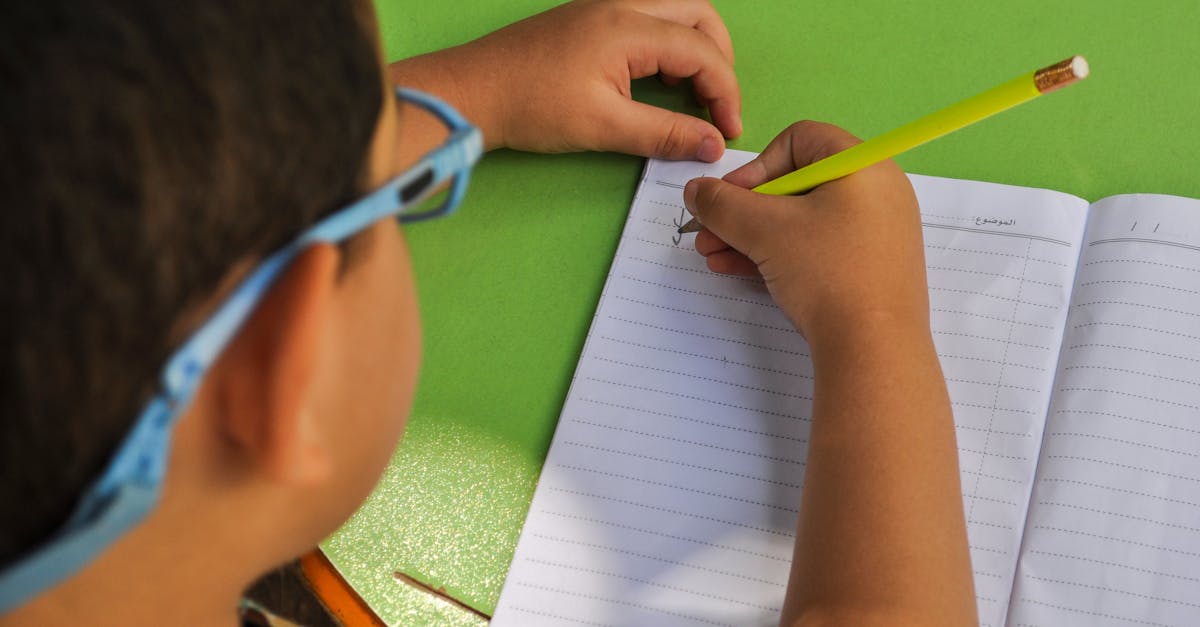
Most people learning Hebrew skip the step I'd argue is the most important: actually writing the letters by hand. Typing them doesn't count. Tracing them on a phone screen doesn't count. I mean a pen, real paper, and your wrist doing the work.
There's a reason every Israeli kid spends first grade doing exactly this. Your hand remembers things your eyes never will.
Why writing works when reading doesn't
When you just look at Hebrew letters, your brain treats them like images. When you write them, your brain files them as motions. Motions stick much longer than images, especially for shapes that are new and unfamiliar.
I've watched dozens of beginners hit the same wall. They spend weeks drilling flashcards on an app, they can kind of recognize most letters, but they still freeze when they see a whole word. The people who pick up a pen once a day blow past that wall in the first week.
What's in the printable worksheet
The free Hebrew alphabet worksheet on Heb4You was built for exactly this problem. Nothing fancy, just clean, practical pages that teach your hand the shapes.
- Every Hebrew letter, one per row, with a large guide copy
- Practice lines with faint guides so your letters come out evenly sized
- The 5 final (sofit) letters on their own page so they don't get buried
- The transliteration next to each letter, so you're always pairing shape with sound
- Designed to print on standard paper, no weird formatting, no ads
You can grab it from the downloads page along with all the other printables.
A simple 2-week plan for using it
The worksheet does nothing if you print it and stick it in a drawer. Here's the schedule I give people:
- Day 1 to 3: Trace each letter ten times. Say the sound out loud as you write. Don't worry about neat handwriting yet.
- Day 4 to 7: Cover the guide copy with your thumb and write each letter from memory. Check, correct, move on.
- Day 8 to 10: Write short three-letter combinations out of the letters you know. Any combinations, they don't have to be real words.
- Day 11 to 14: Write your name, then try a few simple loan words like pizza (פִּיצָה) or taxi (טַקְסִי). These are gentle because you already know how they sound.
Two weeks, one page a day, and your hand will start producing Hebrew almost without thinking.
Print, don't type
I know digital tools are easier. I use them too. But for the first month of learning, nothing beats paper. Print one copy of the worksheet, keep it next to your coffee, and spend five minutes with it every morning. That's the whole trick.
If you want more structure after the worksheet, the alphabet section on the site walks you through each letter with audio and explanations. And if you're just starting out, the blog has other beginner-friendly guides to pair with your practice.
Grab the worksheet, print it, and give it a real week of effort. You'll notice the difference faster than you expect.
Ready to start practicing?
Browse Heb4You's free vocabulary topics with picture cards and native audio.
Browse Topics