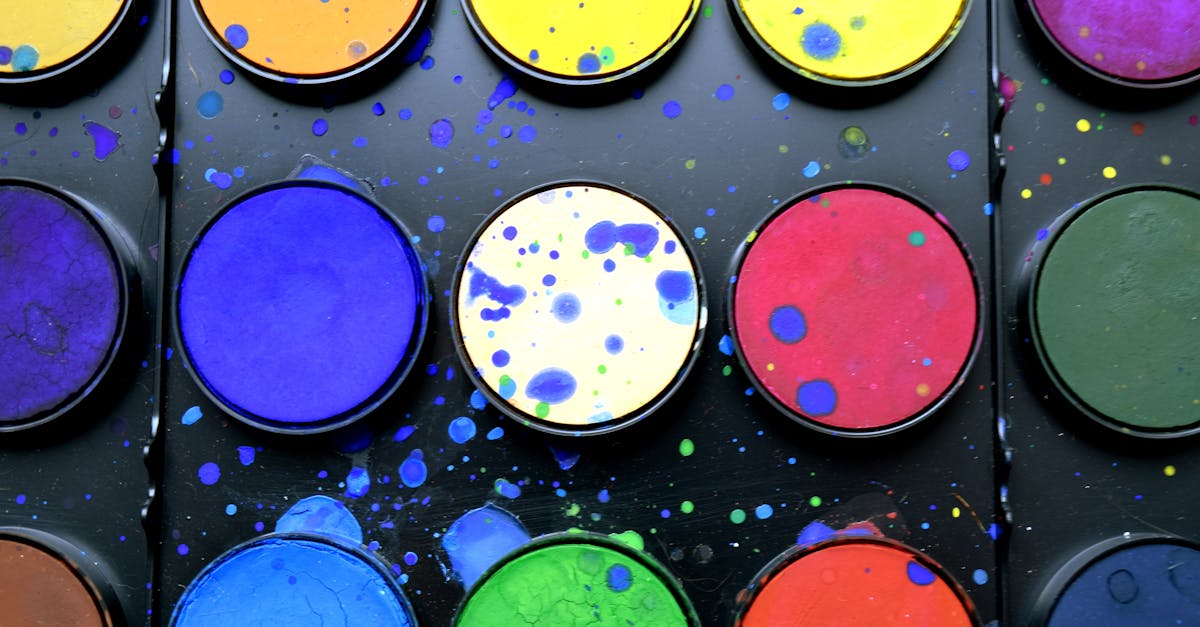
Colors are one of the easiest vocabulary groups to learn in any language, because there aren't that many of them and you can see them literally everywhere. Hebrew colors are no exception. You can learn all the main ones in about ten minutes. Here they are, with a small note on how to make them agree with nouns.
The basic colors
- Adom (אָדוֹם), red.
- Kachol (כָּחוֹל), blue.
- Yarok (יָרוֹק), green.
- Tzahov (צָהֹב), yellow.
- Katom (כָּתוֹם), orange.
- Sagol (סָגֹל), purple.
- Lavan (לָבָן), white.
- Shachor (שָׁחֹר), black.
- Afor (אָפוֹר), gray.
- Chum (חוּם), brown.
- Varod (וָרֹד), pink.
That's the core list. Learn these eleven and you can describe the color of almost anything you see.
Colors agree with nouns
This is the one tricky thing. Hebrew adjectives, including colors, have to match the gender of the noun they describe. The masculine form is usually the base word. The feminine form usually adds an "-a" at the end.
- Sefer adom, a red book. (Sefer is masculine.)
- Mita aduma, a red bed. (Mita is feminine.)
A few more examples:
- Adom / aduma (red).
- Kachol / kchula (blue).
- Yarok / yeruka (green).
- Tzahov / tzhuba (yellow).
- Lavan / levana (white).
- Shachor / shchora (black).
In casual speech, you can often get away with using the masculine form and people will still understand, but the feminine ending is more correct when the noun is feminine.
Plural forms
Colors also change when the noun is plural. The endings are -im for masculine and -ot for feminine:
- Sfarim adumim, red books (masc plural).
- Mitot adumot, red beds (fem plural).
Same pattern across all colors. Once you see it once, it's automatic.
Shades and modifiers
To say something is "light" or "dark", add a modifier:
- Bahir, light.
- Kehe, dark.
So:
- Kachol bahir, light blue.
- Yarok kehe, dark green.
The modifier also agrees with gender: yeruka keha for dark green (fem).
Color in Israeli culture
A few color words carry special meaning in Hebrew:
- Kachol ve-lavan, blue and white, the colors of the Israeli flag. Used symbolically to mean "patriotic" or "Israeli-made".
- Tzahov, yellow, is the color of Israeli license plates (and used to describe "yellow press" journalism).
- Adom, red, is associated with Magen David Adom, Israel's ambulance service (literally "Red Star of David").
A small vocabulary trick
Walk around your apartment right now and name the color of the first ten things you see out loud, in Hebrew. Red pillow, blue mug, gray sofa, white wall. Done. You just practiced the whole vocabulary list without opening a textbook.
For more colorful vocabulary with audio, our topics pages include a full colors list, and our phrases section has example sentences with color-noun agreement.
Ten minutes, eleven colors, and a whole new way to describe the world.
Ready to start practicing?
Browse Heb4You's free vocabulary topics with picture cards and native audio.
Browse Topics