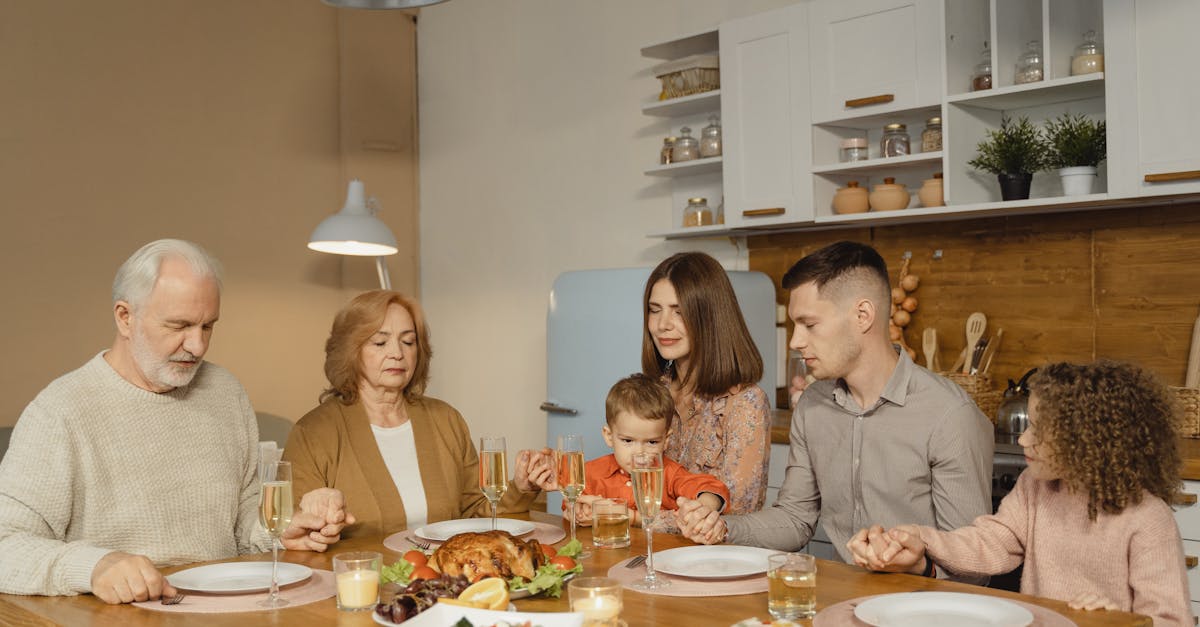
The first Hebrew word most Israeli babies learn is ima (mom). The second is usually abba (dad). Family words are the most emotionally rich vocabulary in any language, and Hebrew is no exception. Here's the complete family tree in Hebrew, with the words you'll use most and a few cultural notes on how Israeli families actually talk to each other.
The nuclear family
- Ima (אִמָּא), mom.
- Abba (אַבָּא), dad.
- Ben, son.
- Bat, daughter.
- Ach, brother.
- Achot, sister.
- Mishpacha, family.
Quick note on ima and abba: these come from Aramaic, not Hebrew, and they're the words Israeli kids actually use. You'll almost never hear the formal em and av except in very formal writing or religious texts.
Grandparents
- Savta (סַבְתָּא), grandmother.
- Saba (סָבָא), grandfather.
Most Israeli kids call their grandparents savta and saba, sometimes followed by their first name, like "savta Rachel" or "saba David". It's the warm, casual form that shows up in every family.
Extended family
- Dod (דּוֹד), uncle.
- Doda (דּוֹדָה), aunt.
- Ben dod, male cousin (literally "son of uncle").
- Bat dodah, female cousin (literally "daughter of aunt").
- Neched, grandson.
- Nechda, granddaughter.
Fun fact: Hebrew doesn't have a single word for "cousin" the way English does. You always specify whether it's your uncle's son, your aunt's daughter, etc. It's a tiny bit more precise and also a tiny bit more annoying.
In-laws
- Chotenet, mother-in-law.
- Choten, father-in-law.
- Ba'al, husband.
- Isha, wife. (Also means "woman" generally.)
- Chamot (another word for mother-in-law, more formal).
How Israelis talk to family
Israeli family communication has a few unique features:
- Directness: Family members talk to each other bluntly. A mother telling her 30-year-old son "ata tzarich la'asot dieta" (you need to go on a diet) is normal, not rude. It's love.
- Group chats: Every Israeli family has a WhatsApp group where everyone shares news, photos, and debates politics. Being added to the family group is a sign of acceptance.
- Shabbat dinners: Friday night dinner with extended family is the weekly heartbeat of Israeli life. Even secular Israelis usually do it.
Terms of endearment within families
- Motek, sweetie (literally "sweetness"). Used for kids, spouses, and even strangers in a warm context.
- Neshama, "soul". Used as "dear" or "sweetheart".
- Chayim sheli, "my life". Very affectionate.
- Yakiri, "my dear" (masc). Yakirati, fem.
Motek is the most common one. Israeli parents call their kids motek all the time. Shop clerks sometimes call customers motek. It's the default warm word in Hebrew.
Family phrases for daily use
- Yesh li shney achim, I have two brothers.
- Ha-ima sheli garah be-Yerushalayim, my mom lives in Jerusalem.
- Ha-mishpacha kulah ba'ah le-shabbat, the whole family is coming for shabbat.
- Ani bechor (masc) / bechora (fem), I'm the oldest.
- Ani ha-katan, I'm the youngest.
The phrase that every Israeli kid hears
Achalta mashehu? (did you eat something?) is the universal Jewish mother question, asked in every Israeli household several times a day. If you're visiting an Israeli friend's family, get ready to hear it from their ima within five minutes of arriving, followed immediately by a plate of food whether you said yes or no.
For more family-related vocabulary with audio, our topics pages include detailed family lists. And our phrases section has sentences for family conversations.
Family Hebrew is the warmest vocabulary you'll learn. Start with ima and abba, and the rest will follow.
Ready to start practicing?
Browse Heb4You's free vocabulary topics with picture cards and native audio.
Browse Topics