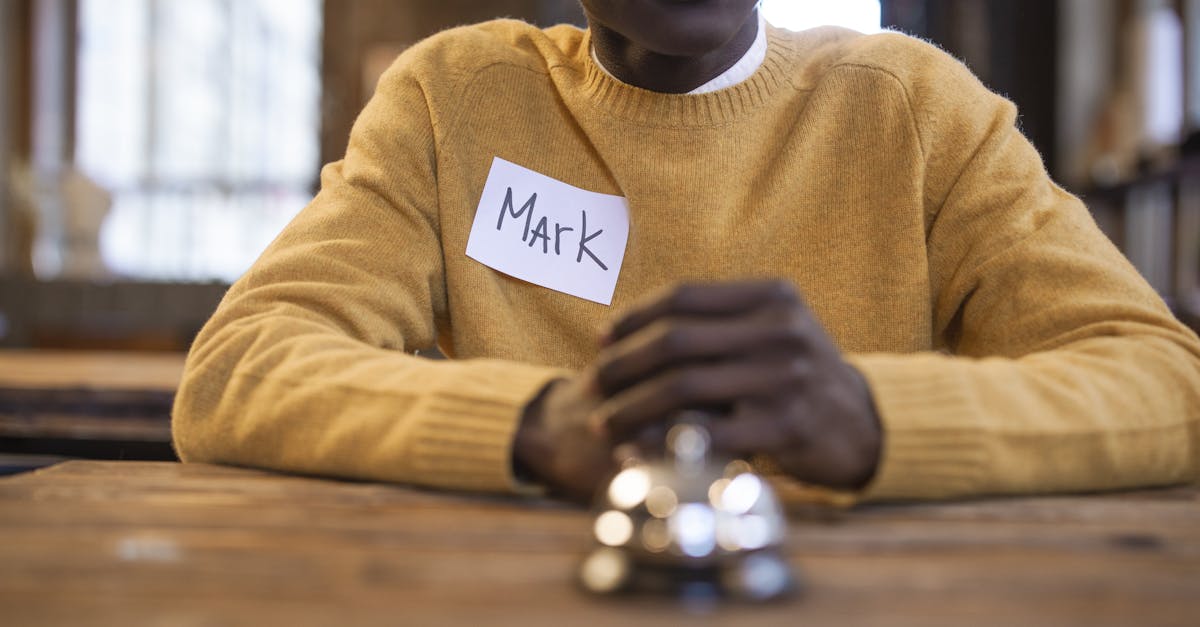
Hebrew names are little stories. Unlike English names, which often have meanings people have forgotten, Hebrew names are still actively meaningful in modern Hebrew. Every Israeli knows what their name means, and they expect you to eventually learn yours too. Here's how it works, and what your name might mean in Hebrew.
Why Hebrew names keep their meanings
Hebrew is an old language that was also rebooted about 120 years ago. When it was rebuilt for everyday use, most Hebrew names kept their literal meanings because the root words were still alive in the language. So names weren't frozen archaic labels, they stayed as translatable words.
This means when you meet an Israeli named Ora, she knows it means "light". When you meet a guy named Ari, he knows it means "lion". It's part of how Israelis think about each other.
Common male names and what they mean
- David, beloved.
- Daniel, God is my judge.
- Yonatan, God gave.
- Ari, lion. (Also Arie or Aryeh.)
- Eitan, strong, durable.
- Gil, joy.
- Ido, his brother-in-law (an old name).
- Omer, a sheaf of grain.
- Tomer, a palm tree.
- Amir, a treetop.
- Yoav, God is father.
- Ilan, tree.
Israeli parents often pick names based on what the word means, not just the sound. A couple who wants their son to grow up strong might pick Eitan. A couple celebrating a joyful birth might pick Gil.
Common female names and what they mean
- Sarah, princess.
- Rachel, ewe.
- Leah, weary (yes, really).
- Noa, movement, grace.
- Ora, light.
- Liat, "you are mine".
- Adi, jewel or ornament.
- Shira, poetry or song.
- Maya, water (modern Israeli name).
- Tamar, date palm.
- Aviva, spring (the season).
- Yael, a mountain goat.
Names like Shira, Ora, Maya, and Noa are hugely popular in modern Israel because they're short, meaningful, and sound beautiful. Older biblical names like Sarah and Rachel are still common too.
Biblical vs. modern names
Israel has two big name traditions:
- Biblical names: David, Sarah, Yaakov (Jacob), Rivka (Rebecca), Yosef (Joseph). These are ancient names that never went out of style.
- Modern Hebrew names: Maya, Shira, Eitan, Tomer. These were invented or revived when modern Hebrew came back as a spoken language. They sound more contemporary.
You'll find Israelis with both kinds of names, often in the same family.
What your English name might mean
If you have a biblical English name, it probably has a direct Hebrew origin. Here are some translations:
- John comes from Yochanan, "God is gracious".
- Mary comes from Miryam, possibly meaning "bitterness" or "beloved".
- Michael comes from Michael, "who is like God?"
- Sarah is already Hebrew, meaning "princess".
- Adam means "earth" or "human" in Hebrew.
- Benjamin comes from Binyamin, "son of the right hand".
If your name isn't biblical, you can still find a Hebrew name with a similar meaning. Israelis love this game. Tell an Israeli your name and what it means, and they'll usually suggest a Hebrew equivalent.
The meaning question
A very Israeli question to ask when you meet someone is ma ha-mashma'ut shel ha-shem shelcha? (what is the meaning of your name?). Locals ask this genuinely, and expect a story in return. Having something to say about your own name, in Hebrew or English, is one of the small cultural skills that helps you connect.
A personal favorite
My favorite Hebrew name meaning is Nechama, which means "comfort". It was commonly given after the Holocaust to babies named in memory of lost family. A name that carries both grief and healing, all in four letters. That's the kind of weight Hebrew names can hold.
For more on Hebrew culture and language, our blog has related posts, and our topics pages cover related vocabulary.
Your name is a story. Find out what it means.
Ready to start practicing?
Browse Heb4You's free vocabulary topics with picture cards and native audio.
Browse Topics