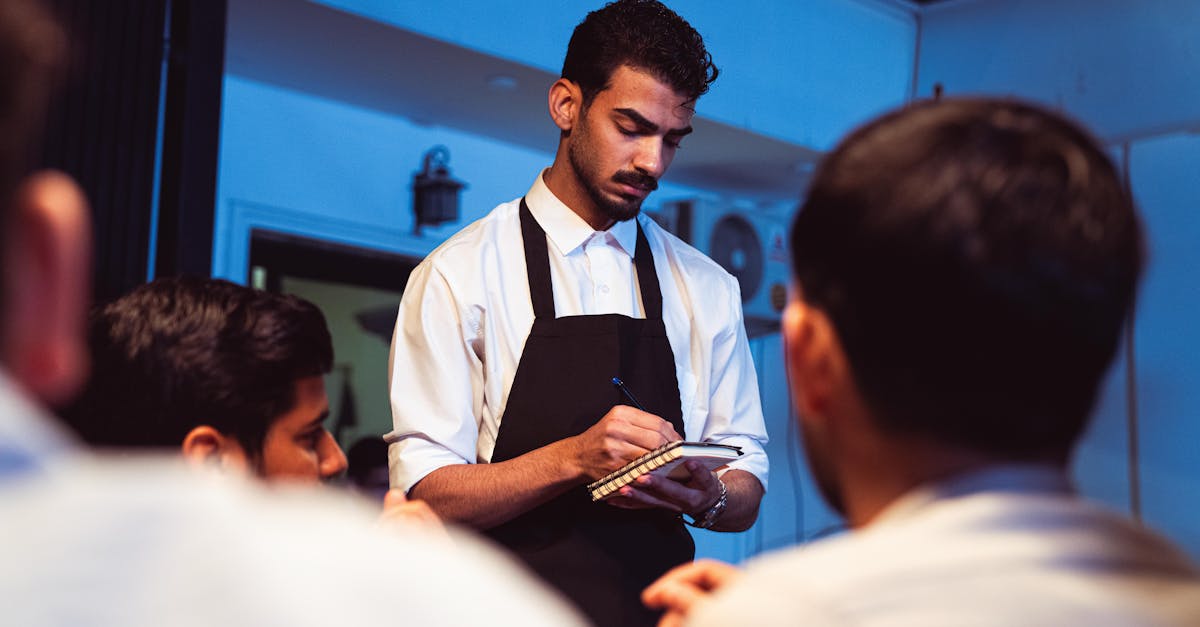
The first time I took a friend visiting from abroad to a hummus place in Jaffa, she froze at the menu. "I don't know what any of this is, and I don't know how to order it," she said. Ten minutes later she was eating the best meal of her trip, because I taught her six Hebrew phrases that cover almost every restaurant situation in Israel. Here they are, plus a few more that'll make you sound like a regular.
Getting seated and asking for a menu
When you walk in, the host or waiter will usually just point to a table, but if you need to speak:
- Shulchan le-shnayim, bevakasha (שֻׁלְחָן לִשְׁנַיִם, בְּבַקָּשָׁה), a table for two, please. Swap "shnayim" for "shalosh" (three) or "arba" (four) as needed.
- Efshar tafrit? (אֶפְשָׁר תַּפְרִיט?), can I get a menu? Literally "is it possible, a menu?" The word efshar means "is it possible" and it's one of the most useful phrases in Israel.
- Yesh tafrit be-Anglit? (יֵשׁ תַּפְרִיט בְּאַנְגְּלִית?), is there a menu in English?
Most Tel Aviv restaurants have English menus, especially in touristy areas. But attempting Hebrew first will earn you warmer service.
Ordering food
The magic word for ordering in Hebrew is ani rotseh (I want, masc) or ani rotsah (I want, fem). Paste it in front of almost anything and you've got an order.
- Ani rotseh hummus, bevakasha, I'd like hummus, please.
- Ani rotseh salat, I'd like salad.
- Ani rotseh et ha-dag, I'd like the fish. (Notice "et" because "ha-dag" is definite.)
You can also soften your order with efshar lekabel (אֶפְשָׁר לְקַבֵּל), "can I get", which is more polite:
- Efshar lekabel et ha-shakshuka?, can I get the shakshuka?
Asking what's in the food
Allergies, dietary restrictions, or just curiosity. Here's how to ask:
- Ma yesh be-ze? (מָה יֵשׁ בָּזֶה?), what's in this?
- Yesh po basar? (יֵשׁ פֹּה בָּשָׂר?), is there meat in this?
- Ze im gluten? (זֶה עִם גְּלוּטֶן?), does this have gluten?
- Ani tsimchoni/tsimchonit (אֲנִי צִמְחוֹנִי/צִמְחוֹנִית), I'm vegetarian (masc/fem).
- Ani tivoni/tivonit, I'm vegan (masc/fem).
Israel is one of the easiest countries in the world for vegetarians and vegans. Saying you're tivoni will usually get you an enthusiastic "ein ba'aya" (no problem) and several menu suggestions.
Ordering drinks
- Mayim, bevakasha (מַיִם, בְּבַקָּשָׁה), water, please.
- Mayim me-ha-berez, tap water. (In Israel tap water is always free and safe to drink.)
- Mayim be-bakbuk, bottled water.
- Kafe, coffee. For specific types: kafe shahor (black coffee), kafe hafuch (cappuccino, literally "upside-down coffee"), kafe botz (Turkish coffee, literally "mud coffee").
- Cos yayin adom/lavan, a glass of red/white wine.
- Bira, beer.
Checking in during the meal
Israeli servers are usually warm but not hovering. When they check in:
- Ha-kol beseder? (הַכֹּל בְּסֵדֶר?), is everything okay?
- Ha-kol tov, everything is good. Or just beseder.
- Toda, ha-kol ta'im, thanks, everything is delicious.
If you need something:
- Slicha! (סְלִיחָה!), excuse me! The universal way to get a server's attention politely.
- Efshar od mayim?, can I get more water?
- Od kafe, bevakasha, another coffee, please.
Asking for the check
When you're ready to go, these are the phrases you'll use:
- Ha-cheshbon, bevakasha (הַחֶשְׁבּוֹן, בְּבַקָּשָׁה), the check, please.
- Efshar lekabel et ha-cheshbon?, can I get the check?
- Efshar leshalem be-karti?, can I pay by credit card? (Almost always yes.)
- Efshar lechalek?, can we split it? (If you're paying with friends.)
Tipping note: Israeli restaurants expect a 12-15% tip, and it's often not included in the check. You can leave cash on the table or add it to the card.
A compliment that always lands
If the food is good, tell them. Israelis love when you compliment the food.
- Ze haya ta'im me'od (זֶה הָיָה טָעִים מְאוֹד), it was very delicious.
- Ha-hummus haya ha-hachi tov she-achalti, the hummus was the best I've eaten.
Saying this to a hummus place owner in Jaffa might get you a free small plate of something extra. It's happened to me more than once.
Practice these tonight
Pick five phrases from this post and say them out loud until they feel natural. Then pick a restaurant you'll visit this week (even if it's not in Israel, plenty of Israeli places in other cities have Hebrew-speaking staff), and try using one. You'll be surprised how friendly the reaction is.
For more food vocabulary, check out our food and beverages topic, and our phrases section has more restaurant-specific phrases with audio.
Restaurant Hebrew is one of the easiest places to start speaking, because the situations are predictable and the words repeat. Learn these, and your next meal in Israel gets a lot more fun.
Ready to start practicing?
Browse Heb4You's free vocabulary topics with picture cards and native audio.
Browse Topics