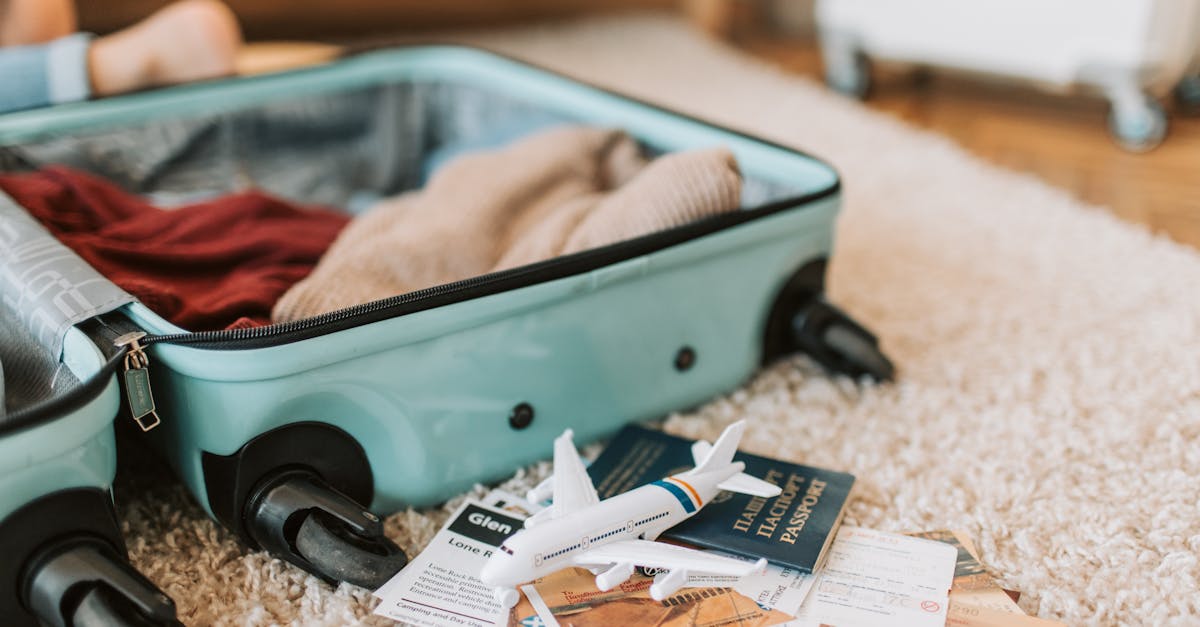
If you're planning your first trip to Israel, here's the truth: you don't need to speak Hebrew. Most Israelis under 60 speak English, airports have English signs, and restaurants have English menus. But knowing a small survival kit of Hebrew phrases turns your trip from "pleasant tourism" into "real connection". Here's the kit I'd pack for a first-time visitor.
The greetings
- Shalom, hello/goodbye.
- Boker tov, good morning.
- Erev tov, good evening.
- Shabbat shalom, peaceful sabbath. Essential for Fridays.
The basics for every interaction
- Toda, thanks. Add raba for "thanks a lot".
- Bevakasha, please. Also means "you're welcome".
- Slicha, excuse me / sorry.
- Ken, yes. Lo, no.
- Beseder, okay / fine.
These seven words are the backbone of polite interactions. Learn them before you get on the plane.
Asking for things
- Ani rotseh, I want (masc). Ani rotsah, fem.
- Efshar...?, is it possible...? Followed by what you need.
- Eifo...?, where is...? Followed by the place.
- Kama ze oleh?, how much does this cost?
With just these four patterns, you can ask for almost anything at a café, store, or on the street.
Food and restaurants
- Tafrit, menu.
- Mayim, water.
- Kafe, coffee.
- Ha-cheshbon bevakasha, the check please.
- Ha-kol haya ta'im, everything was delicious.
Transport and directions
- Autobus, bus.
- Monit, taxi.
- Rakevet, train.
- Yamin, right. Smol, left. Yashar, straight.
- Eifo tachanat ha-autobus?, where is the bus stop?
Emergency basics
- Ani tzarich ezra, I need help (masc).
- Tikre'u le-ambulans!, call an ambulance!
- Eifo beit cholim?, where is the hospital?
- Ani lo mevin, I don't understand.
- Ata medaber Anglit?, do you speak English? (masc)
Save these in your phone as a note. If you need them, you won't have time to search.
The three phrases that earn instant respect
Israelis appreciate tourists who try to speak Hebrew, even imperfectly. Three phrases that'll always get a warm response:
- Toda raba, thanks a lot. Said to anyone who helped you.
- Ha-ochel po mamash ta'im, the food here is really delicious.
- Eifo ha-sherutim, bevakasha?, where's the bathroom, please?
The third one is less about respect and more about survival, but it's the most practically useful phrase on any trip.
Travel logistics
- Malon, hotel. Hostel, hostel (same as English).
- Dirat airbnb, Airbnb apartment.
- Sde te'ufa, airport.
- Ma'avar gvul, border crossing.
- Darkon, passport.
Numbers and money
Knowing 1-10 gets you through most shopping:
- Echad, shnayim, shalosh, arba, chamesh, shesh, sheva, shmone, tesha, eser.
- Shekel, the currency. Me'ah shekel, 100 shekel.
How to actually prepare
Don't memorize all 40+ phrases in one sitting. Pick 10 to start with and learn them out loud. Record yourself saying them and play it back while on the plane. By the time you land, they'll feel natural.
The phrases that will get you through 90% of daily interactions:
- Shalom
- Toda
- Slicha
- Bevakasha
- Ken / lo
- Eifo...?
- Kama ze oleh?
- Ani rotseh...
- Ha-cheshbon bevakasha
- Ata medaber Anglit?
Ten phrases, that's your survival kit.
One more thing
Israelis are warm, opinionated, and curious. They'll ask you where you're from within 30 seconds of meeting, they'll offer unsolicited travel advice, and they'll smile bigger when they hear you try Hebrew. Be open, be a little direct back, and you'll have conversations you couldn't have had in English.
For more travel phrases with audio, our phrases section has full Israeli conversations. And our topics pages cover travel vocabulary in detail.
Pack this list. Use it. Come home with more than photos.
Ready to start practicing?
Browse Heb4You's free vocabulary topics with picture cards and native audio.
Browse Topics