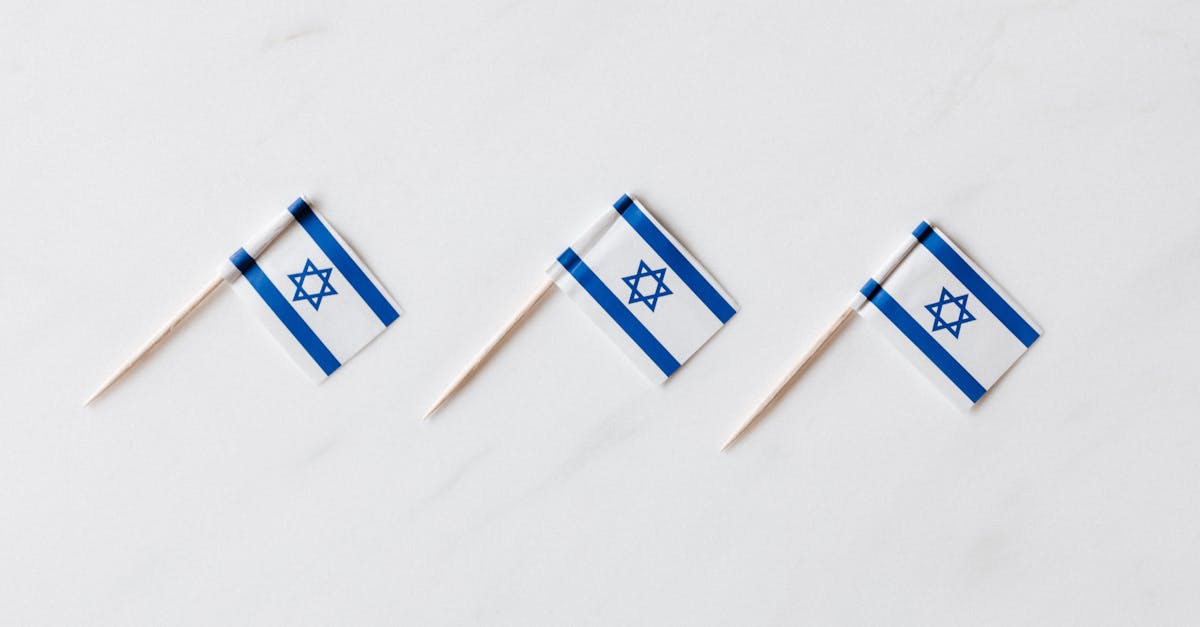
Yom Ha'atzmaut is Israel's Independence Day, celebrated on the fifth of the Hebrew month of Iyar. For one day, the whole country turns into one giant backyard barbecue, with blue and white flags hanging from every balcony and kids playing in the streets late into the night. Here's how Israelis actually spend the day, plus the vocabulary to talk about it.
The night before: Yom Hazikaron
Yom Ha'atzmaut doesn't start with fireworks. It starts with silence. The night before is Yom Hazikaron (יוֹם הַזִּכָּרוֹן), Memorial Day, honoring fallen Israeli soldiers and victims of terror. The whole country stops twice, once the evening before and once at 11 AM, for a two-minute siren. Everyone stands still. Cars stop on highways. Conversations pause. It's one of the most Israeli things you can experience.
Yom Ha'atzmaut begins immediately after Yom Hazikaron ends, in a dramatic pivot from mourning to celebration.
The big celebration
At sundown, ceremonies kick off with the lighting of 12 torches on Mount Herzl in Jerusalem, honoring people who've contributed to Israeli society. This is broadcast live, and many families watch it while starting their holiday dinners.
Then the street parties begin. Sidewalks fill with people. Fireworks go up in every city. Kids run around with Israeli flags. Teenagers blast music from portable speakers.
The national sport: barbecue
On the day of Yom Ha'atzmaut itself, there's one thing every Israeli family does: al ha-esh (literally "on the fire"), a cookout. Parks fill up early in the morning with families setting up grills, coolers, and blankets.
Typical Yom Ha'atzmaut grill menu:
- Kabab, kebab.
- Pargit, marinated chicken thighs (the Israeli BBQ staple).
- Shishlik, meat skewers.
- Hamburgers, hamburgers.
- Merkez, fried onions and peppers to top everything.
- Salat, plenty of salads.
- Pita, pita bread.
- Hummus, of course.
Parks like Park HaYarkon in Tel Aviv are packed shoulder to shoulder with grill-outs.
Flags everywhere
Israeli flags appear on cars, balconies, restaurant windows, and even dogs' collars. The blue and white colors are everywhere for the entire week leading up to the holiday. It's one of the most visibly patriotic days of the year.
Air shows and parades
The Israeli Air Force puts on an air show that flies over major cities, with fighter jets and helicopters performing aerobatics. Kids point up at the sky and cheer. In Jerusalem and Tel Aviv, you can hear the sonic booms from miles away.
Music and dancing
Street concerts and dance performances pop up across Israeli cities. Israeli pop songs from the 70s, 80s, and 90s dominate the playlists. Traditional Israeli folk dances (rikudei am) happen in public squares, where anyone can join in.
Vocabulary to know
- Yom Ha'atzmaut, Independence Day. Literally "day of independence".
- Chag atzmaut sameach, happy Independence Day.
- Yom Hazikaron, the Memorial Day that precedes it.
- Mangal, grill (slang). Most Israelis say mangal for the whole barbecue event.
- Al ha-esh, "on the fire", the classic term for grilling.
- Degel, flag. Degel Yisrael, Israeli flag.
- Zicharon, memory or remembrance.
The mood is informal
Yom Ha'atzmaut isn't a solemn holiday. It's loud, happy, and family-focused. Israelis drop the usual formalities, wear shorts and t-shirts, and spend the day outside. It feels more like the 4th of July than anything deeply religious.
For more Israeli culture and phrases, our blog has posts on holidays and daily life, and our phrases section has everyday sentences with audio.
If you're in Israel for Yom Ha'atzmaut, get to a park early, bring something to share, and say chag atzmaut sameach to everyone you meet. You'll fit right in.
Ready to start practicing?
Browse Heb4You's free vocabulary topics with picture cards and Hebrew audio.
Browse Topics