A tourist in Tel Aviv asked me for directions last summer, in perfect English, with a hopeful smile. I told her how to get to the beach, and then I said, "You know, you could have asked me in Hebrew, it's not hard." She laughed and said she'd rather not sound like a lost tourist. Fair enough. Here's how to ask for directions in Hebrew so you sound like someone who's at least trying.
Start with slicha
Slicha (סְלִיחָה), excuse me. This is the magic opener for any interaction with a stranger. Walk up, say slicha, and you've already established that you're being polite. Israelis respond well to slicha.
Follow it up with ani tzarich ezra (I need help, masc) or ani tzricha ezra (fem) if you want to soften the approach even more. Not required, but nice.
The core question
The word you need is eifo (אֵיפֹה), where. Drop it in front of whatever you're looking for.
- Eifo Rothschild? (אֵיפֹה רוֹטְשִׁילְד?), where is Rothschild? (Rothschild Boulevard, a famous Tel Aviv street.)
- Eifo ha-yam? (אֵיפֹה הַיָּם?), where is the sea?
- Eifo ha-shuk?, where is the market?
- Eifo tachanat ha-rakevet?, where is the train station?
Super simple structure: slicha + eifo + place name. That's 80% of direction questions.
How to ask for a specific building or address
If you're looking for a number on a street, it's:
- Eifo Rothschild mispar shloshim?, where is Rothschild number 30?
- Ani mechapes et ha-misada ha-zo, I'm looking for this restaurant. (Show them your phone.)
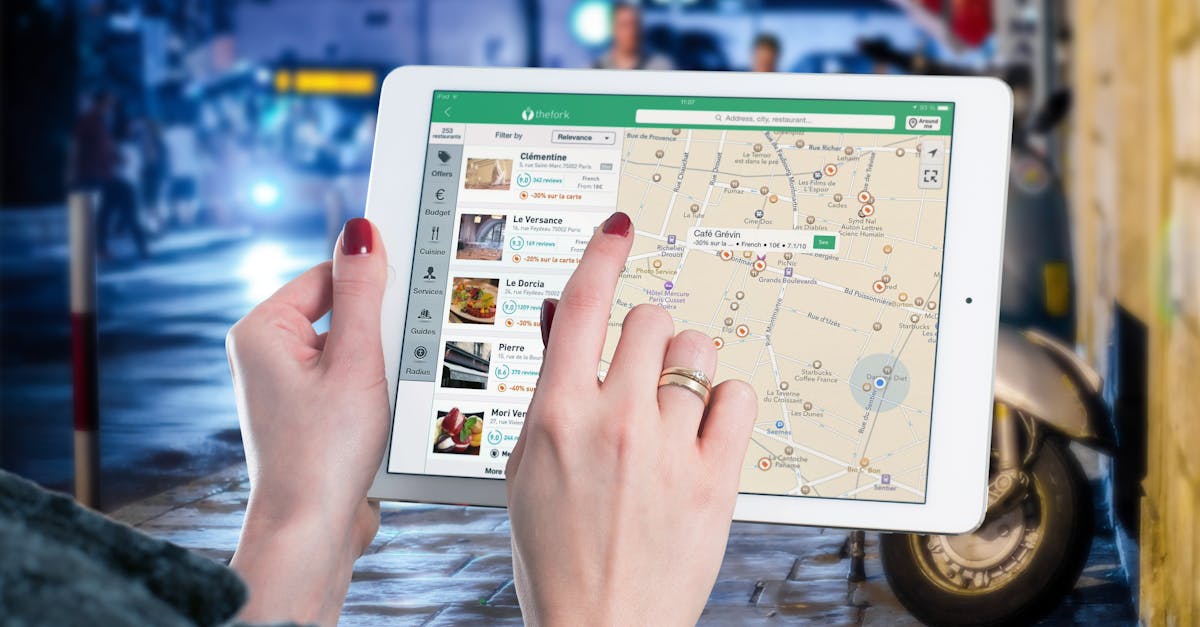
Showing a map or screenshot is completely acceptable and often the fastest route. Nobody judges you for it.
Understanding the answer
Once you ask, you have to understand the answer. Here are the direction words you'll hear most:
- Yashar (יָשָׁר), straight.
- Yemina (יְמִינָה), right.
- Smolla (שְׂמֹאלָה), left.
- Achorah (אֲחוֹרָה), back.
- Karov (קָרוֹב), close. Rachok (רָחוֹק), far.
- Miyad, right away. Acharei, after.
You'll also hear combinations like yashar ve-yemina (straight and then right), or shtei dakot berah (two minutes by foot).
When the directions are too fast
Israelis speak fast. If someone answers you in rapid Hebrew and you missed half of it, don't panic. Say:
- Slicha, ata yachol ledaber yoter le'at?, can you speak more slowly?
- Lo hevanti, I didn't understand.
- Od pa'am, bevakasha, one more time, please.
Most Israelis will happily slow down and repeat. Some will switch to English, which is also fine. Take the help.
The tourist-giveaway question (and how to avoid it)
The number one thing that marks you as a tourist isn't your accent. It's asking eifo Tel Aviv, as if you're in Tel Aviv looking for Tel Aviv. A better question targets something specific: a street, a landmark, a café. Locals ask about specific things.
Also, don't ask "is this the right way?" Israelis prefer to give you the full direction from where you are, not confirm a guess.
A sample exchange
You: Slicha, eifo Rothschild mispar chamishim?
Them: Yashar shtei dakot, ve-az smolla. Yesh misada gdola ba-pina.
Translation: Straight two minutes, then left. There's a big restaurant on the corner.
You: Toda raba!
Memorize that flow and you can navigate most of central Tel Aviv on Hebrew alone.
For more phrases and audio examples, our phrases section has plenty of direction-related content, and our topics pages cover related vocabulary like street words, transportation, and places.
Lost is just an opportunity to practice. Ask slicha, point to a place, and listen for the direction words. You'll get where you're going and you'll sound like you belong.
Ready to start practicing?
Browse Heb4You's free vocabulary topics with picture cards and native audio.
Browse Topics