A student emailed me a few months ago asking if she could use ChatGPT as a Hebrew tutor. I told her yes, but only if she prompted it the right way. Left to its own devices, ChatGPT gives you textbook sentences that nobody actually says. With the right prompts, it turns into a patient, 24/7 tutor that costs nothing and never gets tired. Here's how to set it up.
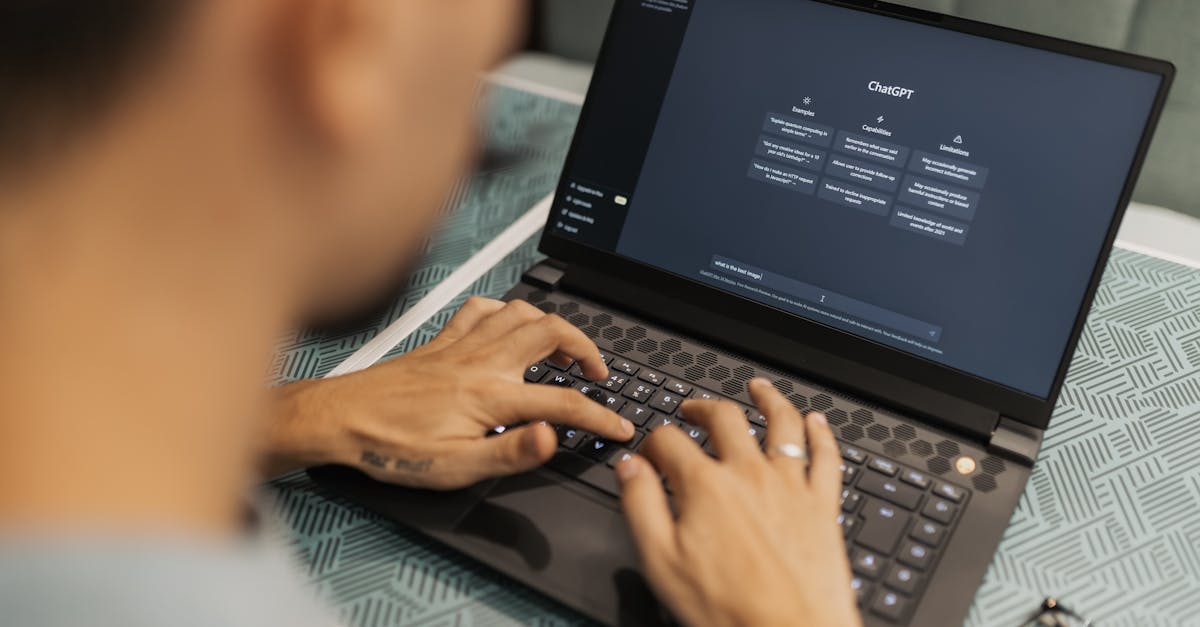
Why ChatGPT is surprisingly good for Hebrew
Large language models are trained on enormous amounts of text, including plenty of Hebrew. That means they can write grammatical Hebrew, correct your mistakes, explain grammar, roleplay conversations, and translate idioms. They're not perfect, but for a beginner or intermediate learner, they're genuinely useful.
What they're bad at: pronunciation (text only), the most colloquial slang (a bit stiff), and some niqqud edge cases. Great for writing and grammar, weak for spoken nuance.
The prompt that turns ChatGPT into a tutor
Here's the single best prompt I give to learners who want to use ChatGPT as a Hebrew teacher. Copy and paste it at the start of a new conversation:
"You are my patient Hebrew tutor. I'm a beginner. From now on, respond only in simple modern Israeli Hebrew with niqqud, followed by transliteration in parentheses, followed by an English translation. If I make a mistake, correct me gently and explain why. Ask me a new question each time so we keep practicing."
This single prompt does four things: it sets the register (simple Israeli Hebrew, not biblical), it forces niqqud and transliteration so you can actually read the output, it gets corrections for your mistakes, and it keeps the conversation moving with new questions.
Five more prompts that actually work
Once your tutor is set up, here are five specific prompts you can use inside the same conversation:
- "Give me 5 common Hebrew phrases for ordering coffee at a café, with niqqud and transliteration." Perfect for building real-world vocabulary.
- "Correct this Hebrew sentence and explain what I got wrong: [paste your sentence]." Great for self-check.
- "Roleplay as a Tel Aviv shopkeeper. I'm a customer. Start the conversation in Hebrew." Dynamic conversation practice.
- "Explain the difference between these two Hebrew words: [word 1] vs [word 2]." Nuance clarification.
- "Write 3 sentences using the word [new word] in different contexts, so I understand how it's used." The best way to internalize new vocabulary.
The biggest mistake learners make
Don't just ask ChatGPT to "teach you Hebrew" as a vague request. You'll get a generic lesson plan that isn't personalized to your level. Instead, give it a specific topic and task every time. "Teach me 10 food words." "Help me write a short introduction in Hebrew." "Correct my homework." The narrower the request, the better the output.
Also, always double-check the Hebrew it gives you, especially for anything that matters. AI still makes small errors, and a native speaker or a trusted resource should be your fallback.
A small daily routine using ChatGPT
Here's what a ten-minute daily session with ChatGPT looks like:
- Minute 1: Open a new chat, paste the tutor prompt.
- Minutes 2-4: Ask for 5 new words on a theme you're learning ("5 clothing words in simple Hebrew").
- Minutes 5-7: Ask it to roleplay a short conversation about that theme. "Roleplay as a Tel Aviv clothing store clerk. Ask me what I'm looking for. Respond in Hebrew."
- Minutes 8-10: Write one Hebrew sentence of your own and ask ChatGPT to correct it.
Ten minutes. Five new words. One roleplay conversation. One corrected mistake. That's real practice, and you can do it at your kitchen table, in bed, or on a lunch break.
What ChatGPT won't replace
Real conversation with a human is still the gold standard for building speaking confidence. ChatGPT can't pause, laugh, respond to your facial expression, or challenge you the way a person can. Use it as a supplement, not a replacement.
Use ChatGPT during the week when you can't find a partner, then try to have one or two real conversations a week with a language exchange buddy or a tutor. That combination is the fastest path to fluency I know.
One warning about accuracy
ChatGPT sometimes produces Hebrew that sounds slightly off or is subtly wrong. It might use a word that's technically correct but rarely used, or mix up a gender here and there. For isolated sentences, this is fine. For anything you're going to memorize or use repeatedly, cross-check with a trusted resource. Our topics pages and phrases section are good places to verify common words and patterns.
Free, patient, and available at 2am when you can't sleep. ChatGPT won't make you fluent on its own, but paired with the right habits, it's the most helpful tool a Hebrew learner has had in a decade.
Ready to start practicing?
Browse Heb4You's free vocabulary topics with picture cards and native audio.
Browse Topics