Walk into any bookstore in Tel Aviv, pick up a novel, then peek at the owner's handwritten shopping list by the register. They look like two different alphabets. A lot of beginners panic at this point, convinced they're going to have to learn Hebrew twice. Good news: you don't.
Hebrew has two everyday writing styles, and they serve totally different purposes. Let me show you what each one is, and which one I'd tell a beginner to focus on first.
Print Hebrew (ktav dfus)
This is the blocky, geometric style you see in every printed book, newspaper, street sign, and children's textbook. It's called ktav dfus (כְּתָב דְּפוּס), which literally means "print writing." It's also what you'll see on almost every website, including ours.
If you've spent any time on the alphabet page, this is the version you've been learning. Every letter is sharp, squared, and easy to tell apart. It's designed to be read, not written fast.
Script Hebrew (ktav yad)
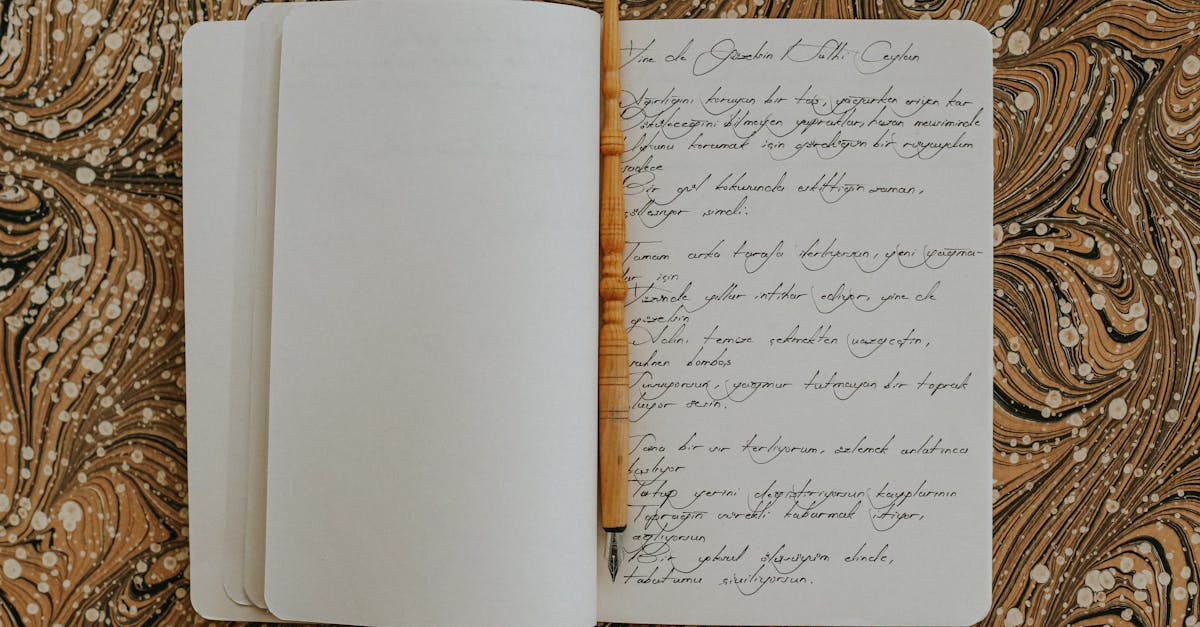
This is what Israelis actually scribble when they're taking notes in class, writing a grocery list, or leaving a post-it on the fridge. It's called ktav yad (כְּתָב יָד), "hand writing." The letters are rounder, simpler, and way faster to produce with a pen. Some of them barely resemble their printed cousins.
A printed alef (א) has three strokes and looks almost like an X with a bar. The script version is basically a backwards C with a slash through it. Totally different animal.
Which should a beginner learn first?
My strong opinion: learn print first, and don't even touch script for at least the first month or two. Here's why.
Print is what every learning resource uses. Every vocab list, every flashcard app, every children's book, every sign you'll try to read on your first trip to Israel. If you learn script first, you'll be stuck looking up letters every time you open a book, which kills your momentum.
Script also has no niqqud (the little vowel dots). Since most beginners rely on niqqud to read, script throws away your training wheels before you've stopped wobbling.
When to add script to the mix
Once you can comfortably read a short paragraph in print, script becomes useful. The payoff is real:
- You can read handwritten notes, letters, and messages from Israeli friends.
- Writing by hand in script is much faster and more natural than printing block letters.
- Israeli classrooms, forms, and even some café menus use script constantly.
The good news: because you already know what each letter sounds like, learning script is really just learning 22 new shapes for sounds you already have. Most learners pick it up in a couple of weeks with a little daily practice.
A small shortcut that helps
When you're ready for script, don't learn it in isolation. Grab a notebook and start writing out vocabulary you already know, one word per line, in both print and script. Your brain will start linking the two versions together, and you'll build reading and writing at the same time.
Our printable worksheets include pages for both styles, so you can trace letters and see them side by side.
Start with print, build confidence, then add script later. You're not learning two alphabets. You're learning one alphabet with two outfits.
Ready to start practicing?
Browse Heb4You's free vocabulary topics with picture cards and native audio.
Browse Topics