Rosh Hashanah is the Jewish New Year, and the greetings Israelis exchange during this holiday are some of the warmest of the whole year. Whether you're visiting Israel in the fall, joining a friend's family for the holiday, or just want to send a kind message, these are the Hebrew greetings you'll need.
The classic greeting
Shana tova (שָׁנָה טוֹבָה), a good year. This is the universal Rosh Hashanah greeting, said from a few days before the holiday through the week after.
You can stretch it slightly:
- Shana tova u-metuka, a good and sweet year.
- Shana tova mevorechet, a good and blessed year.
- Le-shana tova tikatevu, "may you be inscribed for a good year". This is a more religious formal version, referring to the book of life.
Any of these work in cards, text messages, and in-person. Israelis send shana tova messages by the thousands in the days around the holiday.
Responding to a greeting
When someone says shana tova to you, you say it right back, sometimes with a small addition:
- Shana tova gam lecha, a good year to you too (masc).
- Shana tova gam lach, same for a woman.
- Shana tova le-kulam, a good year to everyone.
It's warm, reciprocal, and a little ceremonial. You'll exchange it a lot in the holiday week.
Religious greetings
For a more traditional or religious context:
- Le-shana tova tikatevu ve-techatemu, "may you be inscribed and sealed for a good year". A long, traditional phrase used in prayer books and cards.
- Chag sameach, happy holiday. Works as a general festive greeting.
These are more common at synagogues, on religious cards, and in formal communications.
Phrases you'll hear at the holiday meal
Rosh Hashanah meals have their own small vocabulary:
- Tapu'ach be-dvash, apple in honey. The symbolic food for a sweet new year.
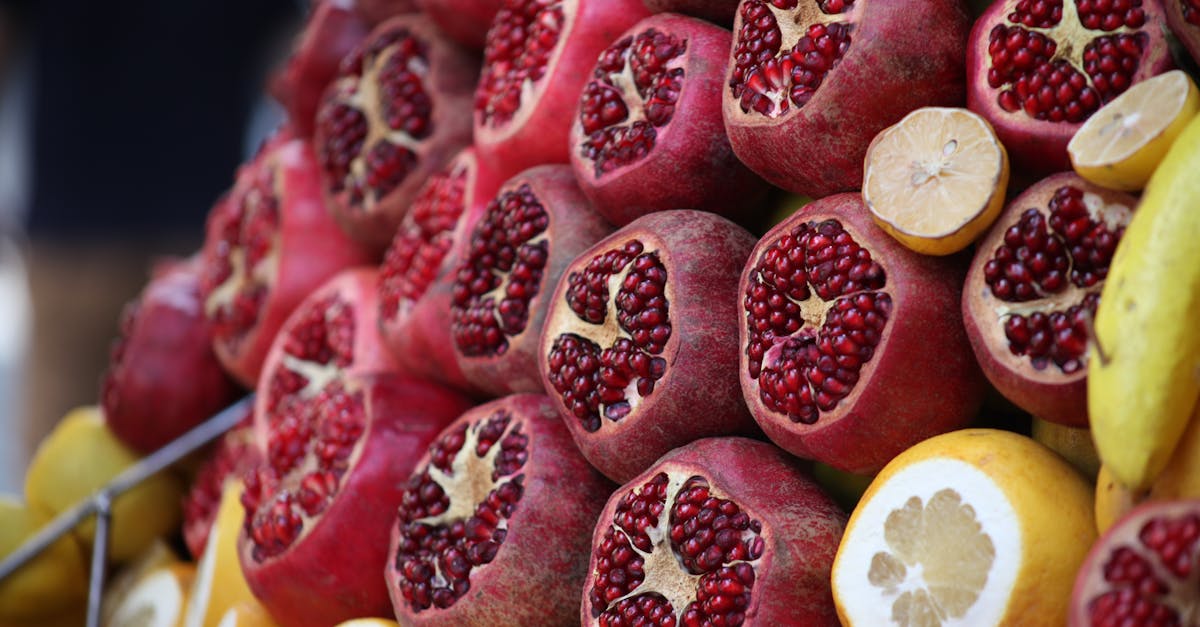
- Rimon, pomegranate. Another symbolic fruit, representing abundance.
- Rosh dag, fish head. Traditionally served so the family will be "at the head, not the tail" of the new year.
- Shofar, the ram's horn blown in synagogue.
- Teki'ah, the long blast of the shofar. There are several patterns, each with its own name.
A typical Rosh Hashanah greeting card
If you want to send a traditional Hebrew card, here's a common text:
Shana tova u-metuka
She-tihyeh shana shel bri'ut, osher ve-hatzlacha
Le-kulanu
Translation: "A good and sweet year. May it be a year of health, happiness, and success. For all of us."
Three lines, classic phrasing, and it covers everything.
The cultural context
Rosh Hashanah is a two-day holiday that kicks off the "High Holy Days", a ten-day period of reflection and repentance that ends with Yom Kippur. The mood during this time is thoughtful and warm, not wild. Israelis reach out to family, old friends, and colleagues with holiday messages, sometimes in the form of long heartfelt texts.
If you get a Rosh Hashanah message from an Israeli friend, responding in Hebrew, even imperfectly, is a beautiful gesture. Try toda raba, shana tova gam lecha and you'll make their day.
A small bonus phrase
If you want to say "may we meet again in a better year", try:
- She-nizke le-shana tova yoter, may we merit a better year.
This phrase has grown popular in recent years as a warmer, less formal alternative to the traditional blessings.
For more holiday greetings and phrases, our phrases section has audio examples, and our topics pages include holiday-specific vocabulary.
Shana tova u-metuka. May this year bring you good Hebrew, good food, and better than last.
Ready to start practicing?
Browse Heb4You's free vocabulary topics with picture cards and Hebrew audio.
Browse Topics