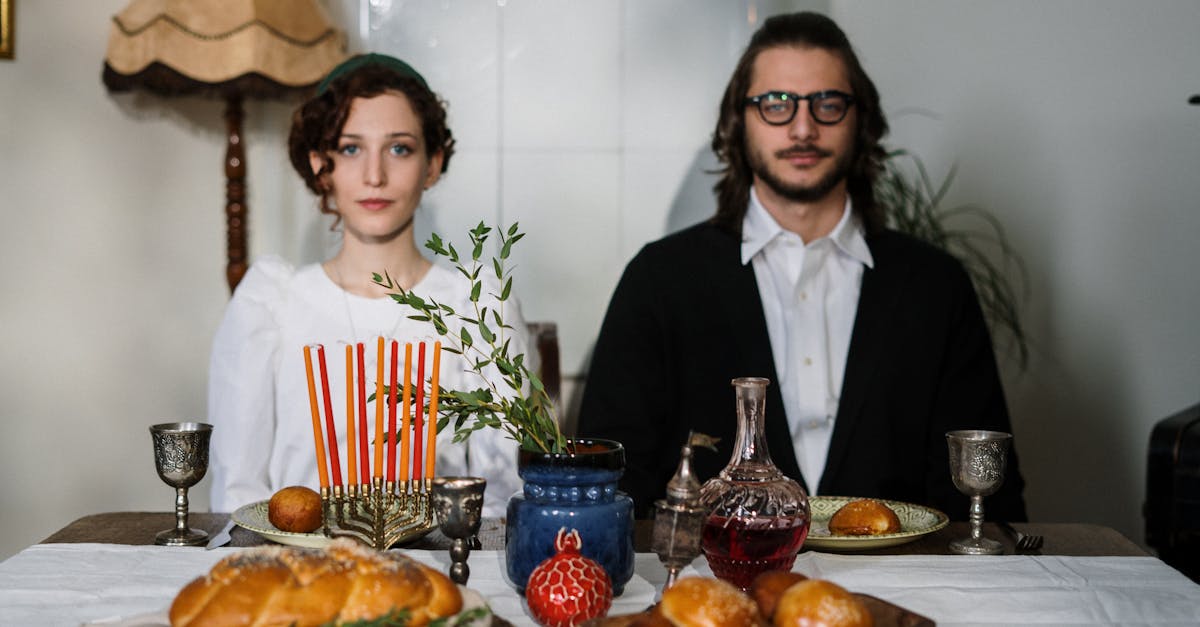
Shabbat is the weekly heartbeat of Jewish life, and even secular Israelis usually do some version of it every Friday. If you're invited to a Shabbat dinner in Tel Aviv or Jerusalem (and chances are you will be, Israelis love to host), knowing a handful of Hebrew words will help you understand what's going on and participate gracefully. Here are 15 words every learner should have before Friday night.
The basics
- Shabbat (שַׁבָּת), the sabbath. Friday evening to Saturday evening.
- Shabbat shalom, peaceful sabbath. The universal Friday greeting.
- Erev Shabbat, Shabbat evening. Refers to Friday night specifically.
- Kabbalat Shabbat, welcoming the sabbath. The Friday night prayer and ritual that begins Shabbat.
Food and table
- Challah (חַלָּה), the braided bread eaten at Shabbat dinner. Usually two loaves.
- Yayin, wine. Served with the kiddush blessing.
- Kiddush, the blessing over the wine that starts the Shabbat meal.
- Seudat Shabbat, the Shabbat meal.
- Cholent, a slow-cooked stew traditionally eaten on Saturday afternoon. Started Friday, slow-cooked overnight because observant Jews don't cook on Shabbat.
Candles and light
- Nerot Shabbat, Shabbat candles. Lit by the woman of the house (traditionally) at sunset on Friday.
- Hadlakat nerot, the lighting of the candles. A gentle ceremony with its own blessing.
Candles are a huge visual symbol of Shabbat. Watching someone light them, cover their eyes, and say the blessing is one of the most Jewish things you'll witness.
Prayers and blessings
- Bracha, blessing. The short prayer said before eating or drinking something.
- Bentching (Yiddish term still used), or birkat ha-mazon, the grace after meals. A longer blessing said at the end of a full meal.
- Amen, amen. Said after hearing a blessing.
The end of Shabbat
- Havdala (הַבְדָּלָה), the ceremony that ends Shabbat on Saturday night. Involves a braided candle, wine, and spices.
- Shavua tov, a good week. Said as Shabbat ends and the new week begins.
What happens at a typical Shabbat dinner
If you get invited to a traditional Israeli Shabbat dinner, here's what to expect:
- Sunset on Friday, the hostess lights the Shabbat candles and says a blessing.
- Everyone sits at the table. Someone says the kiddush blessing over wine.
- Hands are washed ceremonially (with a blessing), and someone says the blessing over the challah.
- The challah is torn (not cut, traditionally), salted, and passed around.
- The meal begins. Usually multiple courses, lots of salads, fish, meat, and dessert.
- After the meal, if it's a religious household, someone leads birkat ha-mazon, the grace after meals.
Secular households skip most of the blessings but still gather for a big family dinner. Either way, the vibe is warm and focused on togetherness.
How to participate without being Jewish
If you're a guest and not Jewish, nobody expects you to know the blessings. What they do expect:
- Say Shabbat shalom when you arrive.
- Wait until the host says the blessings before eating bread or drinking wine.
- Compliment the food enthusiastically (see my post on Hebrew compliments).
- Say toda raba, haya ta'im me'od (thank you so much, it was very delicious) at the end.
Israelis love hosting non-Jewish friends for Shabbat. It's considered a mitzvah (good deed) and a way of sharing Israeli culture.
A small personal note
Shabbat dinner is my favorite thing about Israeli life. The whole country slows down, families gather, phones are put away (in some households), and for 25 hours you remember what a week feels like with an actual rest in it. Even if you're not religious, this rhythm is something you can experience and enjoy.
For more holiday vocabulary with audio, our topics pages include Shabbat-related words, and our phrases section covers greeting phrases.
Say shabbat shalom this Friday, even to yourself in your kitchen. You'll feel the difference.
Ready to start practicing?
Browse Heb4You's free vocabulary topics with picture cards and native audio.
Browse Topics